Master the Devil Press: Unleash Full-Body Power and Conditioning
In the vast landscape of fitness, some exercises stand out not just for their complexity, but for their unparalleled effectiveness. Among these titans, the Devil Press Exercise reigns supreme. Often hailed as one of the most demanding yet rewarding movements, it's a staple in high-intensity functional training programs like CrossFit, celebrated for its ability to forge strength, stamina, and mental fortitude in one fell swoop. If you've ever witnessed it, you understand its intimidating moniker – it truly looks like a battle against gravity, demanding every ounce of your physical and mental might.
Far from a simple lift, the Devil Press is a symphony of coordinated movements, blending the explosive power of a burpee with the strength of a dumbbell snatch. It’s an exercise that recruits virtually every muscle group, catapulting your heart rate into the stratosphere and testing your limits like few others can. While its intricate nature might seem daunting at first, mastering the Devil Press is an incredibly empowering journey, promising a transformation in your overall fitness. In this comprehensive guide, we'll demystify this powerhouse movement, breaking down its technique, exploring its profound benefits, and providing actionable insights to help you conquer the Devil Press with confidence.
What Exactly is the Devil Press Exercise?
To truly appreciate the Devil Press: Unlock Full-Body Power with This Demanding Exercise, it’s essential to understand its unique composition. Imagine fusing three foundational, high-intensity exercises into one fluid, continuous motion: a burpee, a hip hinge, and a double dumbbell snatch. This isn't just a sequence of movements; it's a seamless transition of power and control, designed to challenge your body from head to toe.
- The Burpee Foundation: It begins with an athletic burpee, involving a drop to the floor, a push-up (often chest-to-ground), and an explosive jump back to the feet. However, in the Devil Press, your hands remain firmly gripped around dumbbells throughout this phase.
- The Dynamic Hip Hinge: From the burpee, you transition into a powerful hip hinge, similar to a sumo deadlift. This phase is crucial for generating the momentum needed for the subsequent lift, engaging your glutes and hamstrings.
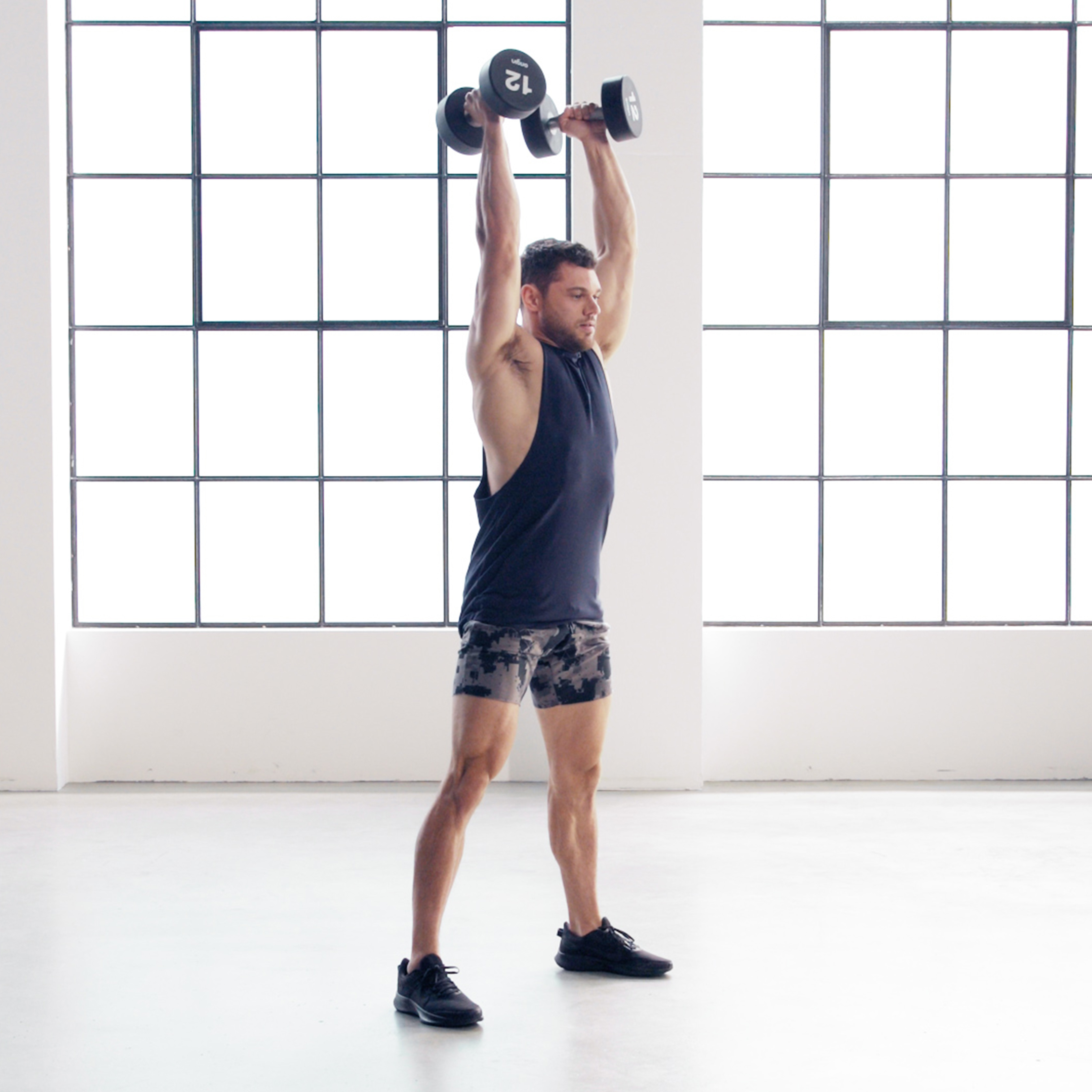
- The Explosive Double Dumbbell Snatch: The culmination is a synchronized, overhead snatch of two dumbbells. Using the momentum generated from your hips and legs, you drive the dumbbells in a single, powerful arc from the floor directly overhead.
This "all-in-one" approach is precisely what makes the Devil Press Exercise so potent. It takes a moderate amount of weight and moves it a significant distance, recruiting an astonishing number of muscles across the kinetic chain. From your grip and shoulders to your core, glutes, hamstrings, and quads, very few exercises demand such widespread muscle activation while simultaneously spiking your cardiovascular output. It truly lives up to its hellish reputation, promising a workout experience that is as challenging as it is rewarding.
Deconstructing the Devil Press Technique: A Step-by-Step Guide
Mastering the Devil Press Exercise requires precision and practice. Breaking it down into its core components is the key to unlocking this complex movement. Always begin with a thorough warm-up to prepare your muscles and joints for the demands ahead. For optimal grip and stability, hexagonal dumbbells are highly recommended, as they prevent rolling.
1. The Burpee Foundation: Setting the Stage
Start with two dumbbells positioned shoulder-width apart, directly in front of your feet.
- Initiate the Drop: Hinge at your hips and reach down to grasp both dumbbells firmly. Keep your back flat and chest proud.
- Kick Back: With a secure grip, explosively kick your feet back into a plank position, maintaining a straight line from head to heels. Your hands will remain on the dumbbells.
- Lower to the Floor: From the plank, lower your entire body – chest and thighs – to make contact with the floor. Keep your elbows relatively close to your body, similar to a triceps push-up.
2. The Powerful Hip Hinge Transition: Building Momentum
This is where the magic of momentum begins.
- Jump to Crouch: From the floor, push off with your hands and use your core to rapidly draw your feet forward, landing them wide, outside the dumbbells. You should land in a low sumo deadlift or deep squat position, with your hips back and knees bent, still holding the dumbbells.
- Maintain Grip: Crucially, your hands must remain holding the dumbbells throughout this transition.
3. The Explosive Drive & Snatch: Reaching for the Sky
This is the most dynamic phase, converting lower body power into an overhead lift.
- Drive from the Hips: From the sumo deadlift position, powerfully drive your hips forward and up, extending your knees and straightening your torso. Squeeze your glutes forcefully at the top. This is the main engine for the lift.
- Shrug and Pull: As your hips extend, use the momentum to shrug your shoulders and allow the dumbbells to travel naturally upwards. Keep the dumbbells close to your body – imagine zipping up a jacket.
- Snatch Overhead: Continue the powerful upward motion, rotating your wrists and punching the dumbbells directly overhead in one fluid, explosive movement. Your arms should be fully extended, and the dumbbells locked out above your head, biceps by your ears.
4. Controlled Lowering: Ready for the Next Rep
Just as important as the lift is the controlled descent.
- Lower to Shoulders: With control, lower the dumbbells from overhead to your shoulders.
- Lower to Hips: From your shoulders, continue lowering them towards your hips, maintaining control.
- Drop to Floor: Finally, hinge at the hips and lower the dumbbells back to the starting position on the floor, ready for your next burpee.
Unlocking the Benefits: Why Master the Devil Press?
The infamous CrossFit's Devil Press: Conquer This Complex Move with Expert Tips isn't just a test of endurance; it's a profound investment in your overall physical capabilities. Integrating this exercise into your routine offers a multitude of benefits that extend far beyond simply moving weight.
- Full-Body Strength & Power: The Devil Press is a true full-body compound movement. From the initial burpee, engaging your chest, triceps, and core, to the explosive hip drive that recruits your glutes, hamstrings, and quads, and finally the overhead snatch that works your shoulders, traps, and upper back – every major muscle group contributes. This holistic activation builds functional strength that translates to real-world power.
- Cardiovascular Conditioning: The continuous, dynamic nature of the Devil Press rapidly elevates your heart rate. It’s a powerful metabolic conditioning tool, improving both aerobic and anaerobic capacity. Just a few reps can leave you breathless, making it excellent for improving endurance and stamina.
- Enhanced Coordination & Agility: Seamlessly transitioning between a burpee, hip hinge, and snatch demands a high degree of coordination, timing, and body awareness. Regularly performing the Devil Press sharpens your proprioception and improves your ability to move efficiently and powerfully.
- Core Stability & Resilience: Your core acts as the bridge between your upper and lower body throughout the entire movement. Maintaining a rigid midsection during the burpee, the jump, and especially the overhead lockout, builds incredible core strength and stability, crucial for injury prevention and overall athletic performance.
- Mental Fortitude: True to its name, the Devil Press is mentally taxing. Pushing through multiple reps with proper form requires unwavering focus, determination, and grit. Overcoming the physical and mental hurdles of this exercise builds resilience that empowers you both inside and outside the gym.
- Improved Metabolic Rate: Due to its high energy demand and recruitment of large muscle groups, the Devil Press is a calorie-torching exercise. It can significantly contribute to an elevated metabolic rate, aiding in fat loss and muscle gain.
Common Mistakes & How to Avoid Them
While the rewards are immense, several common pitfalls can hinder progress and increase the risk of injury when performing the Devil Press Exercise. Awareness is your first line of defense.
- Losing Grip on Dumbbells: It's tempting to let go or adjust your grip during the burpee phase. This breaks the fluidity and can be dangerous. Solution: Practice burpees with just the dumbbells in hand first, without dropping to the floor. Strengthen your grip through specific exercises. Use hex dumbbells to prevent rolling.
- Rounding the Back During Hip Hinge: A common error, especially when fatigued, is to round your lower back during the transition from the burpee to the standing crouch. This puts immense strain on your spine. Solution: Focus on keeping your chest proud and driving your hips back, not just bending over. Engage your core tightly. Start with lighter weights to perfect the hip hinge motion.
- Arm-Dominant Snatch: Trying to lift the dumbbells overhead primarily with your arms is inefficient and quickly leads to fatigue. Solution: Remember that the snatch is a full-body movement. Focus on generating power from your legs and hips, using a powerful shrug to initiate the upward pull, and guiding the dumbbells with your arms rather than lifting them solely.
- Dumbbells Flaring Out: Allowing the dumbbells to swing wide away from your body during the snatch reduces efficiency and increases shoulder strain. Solution: Keep the dumbbells as close to your torso as possible throughout the upward phase, almost brushing your body. This creates a more direct and powerful path.
- Incomplete Overhead Lockout: Failing to fully extend your arms and lock out the dumbbells overhead diminishes the benefit and can be unstable. Solution: Actively press the dumbbells up, shrugging your shoulders towards your ears, and engage your triceps to achieve a stable, stacked position directly over your shoulders.
- Rushing the Movement: Attempting to perform the Devil Press too quickly without proper control can lead to sloppy form and injury. Solution: Prioritize form over speed, especially when learning. Focus on smooth transitions and controlled power. Speed will come naturally with mastery.
Scaling and Progressions for All Levels
The Devil Press Exercise is formidable, but it's also adaptable. Don't be discouraged if the full movement feels too challenging initially. Here’s how to scale it:
- Lighter Weights: This is the most straightforward adjustment. Start with very light dumbbells or even no dumbbells to master the bodyweight movement pattern.
- Break Down the Snatch: Instead of a fluid snatch, clean the dumbbells to your shoulders first, then press them overhead. This two-part movement reduces the explosive demand.
- Modified Burpee: Skip the chest-to-floor component and simply kick your feet back into a plank and jump forward.
- Single Dumbbell Devil Press: Performing the movement with one dumbbell at a time can reduce the overall load and challenge your unilateral stability.
As you get stronger, you can progress by increasing weight, focusing on smoother transitions, or integrating it into more complex WODs (Workouts of the Day) for added conditioning.
Conclusion
The Devil Press Exercise is more than just a challenging workout; it's a testament to human potential, combining strength, power, endurance, and coordination into one brutal yet beautiful movement. While its complexity and demands are high, the rewards of mastering this exercise are equally profound, offering unparalleled full-body conditioning and a significant boost to your overall fitness. By understanding its intricate technique, practicing diligently, and being mindful of common mistakes, you can safely and effectively incorporate this dynamic movement into your training regimen. Embrace the challenge, respect the technique, and prepare to unleash a new level of strength and resilience with the mighty Devil Press.